MultiType Maze Labyrinth: Redefining Pixel Aesthetics in Modern Design
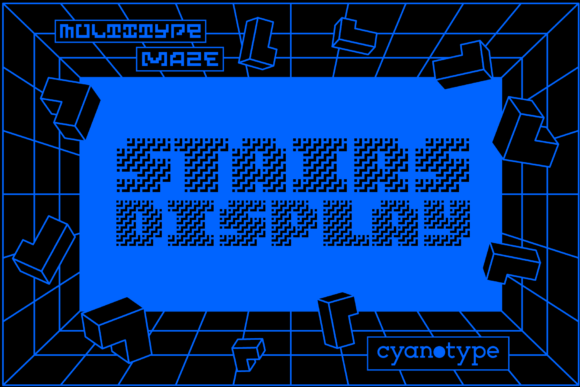
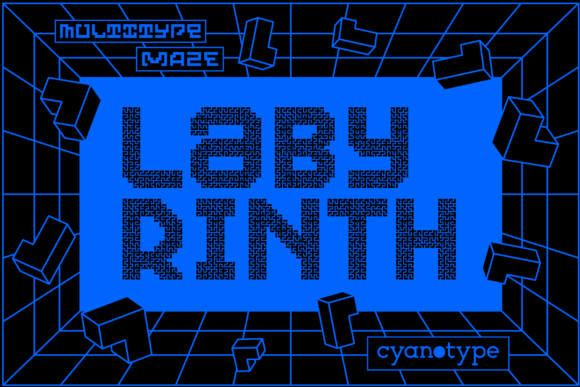
In an era where digital interfaces are becoming increasingly uniform, the demand for distinct visual identity has never been higher. Designers, developers, and brand strategists are constantly searching for ways to break through the noise of standardized templates and stock imagery. This is where specialized typography steps in, not just as a vehicle for text, but as a primary design element that conveys mood, era, and attitude. Among the growing library of display fonts, MultiType Maze Labyrinth stands out as a compelling solution for those seeking to inject a distorted, trendy, and uniquely shaped pixelated aesthetic into their work.
This font is more than a nostalgic nod to early computing; it is a sophisticated tool for modern creators who understand the power of texture and distortion in visual communication. By offering a PUA-encoded structure, MultiType Maze Labyrinth allows for granular control over glyphs and swashes, enabling designers to craft custom compositions that feel both retro-futuristic and contemporary. For professionals ranging from freelance graphic designers to marketing directors at tech startups, understanding how to leverage such specific typographic tools can significantly elevate the perceived quality and uniqueness of a project.
The Evolution of Pixel Typography in Contemporary Design
Pixel art and bitmap fonts have historically been associated with the limitations of early hardware. However, the current design landscape has seen a significant shift in how these aesthetics are perceived. What was once a constraint is now a stylistic choice, often referred to as "lo-fi" or "retro-wave" aesthetics. This trend is driven by a desire for authenticity and tactile engagement in a world dominated by smooth, vector-based minimalism. Users are fatigued by the sterile perfection of sans-serif corporate fonts and are responding positively to designs that show character, imperfection, and history.
MultiType Maze Labyrinth taps directly into this cultural moment. It does not merely replicate old-school 8-bit fonts; it distorts them. The "maze-like" structure of the characters suggests complexity and depth, inviting the viewer to look closer. This aligns with broader trends in web design and branding where interactivity and discovery are valued. When a font requires the eye to navigate its shapes, it creates a subconscious engagement that standard typefaces do not offer. For educators and content creators, this means that headlines using MultiType Maze Labyrinth can serve as visual hooks, drawing attention to key information in a way that feels playful yet intentional.
Bridging Nostalgia and Innovation
The relevance of MultiType Maze Labyrinth lies in its ability to bridge two seemingly opposing design sensibilities: nostalgia and innovation. On one hand, the pixelated form triggers memories of gaming culture, early internet forums, and digital art from the late twentieth century. On the other hand, the distorted and unusual shaping of the glyphs introduces a modern, avant-garde twist. This duality makes it versatile across various industries.
- Gaming and Esports: Teams and streamers use this font to create logos and overlays that resonate with hardcore gamers while maintaining a sleek, professional edge.
- Music and Entertainment: Album covers, concert posters, and music video graphics benefit from the gritty, energetic feel that the distorted pixels provide.
- Tech Startups: Companies focusing on cybersecurity, blockchain, or AI often adopt pixel aesthetics to signal technical proficiency and a connection to the roots of technology.
By utilizing a font like MultiType Maze Labyrinth, these sectors can communicate their niche identity without relying on clichéd icons or overused color palettes. The font itself becomes the symbol.
Technical Advantages: The Power of PUA Encoding
For many designers, the usability of a font is just as important as its appearance. This is where the technical specification of MultiType Maze Labyrinth becomes a critical asset. The font is PUA (Private Use Area) encoded. To the uninitiated, this might sound like jargon, but for professionals, it represents a high degree of flexibility and creative freedom.
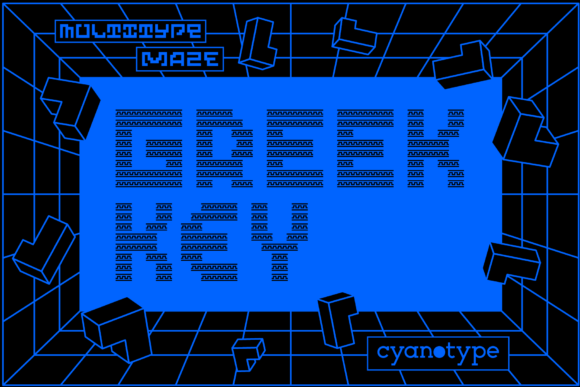
Standard fonts map characters to Unicode values, which limits the number of available symbols and variants. PUA encoding assigns characters to the Private Use Area of the Unicode standard, a space reserved for custom characters. This means that every glyph, swash, and variation within MultiType Maze Labyrinth can be accessed individually. Instead of being limited to the standard alphabet, a designer can pick and choose specific distortions, alternate letterforms, and decorative elements to build unique words or phrases.
This capability transforms the font from a passive text carrier into an active design component. Consider a scenario where a marketer is designing a landing page for a limited-edition product launch. They need the headline to stand out. With PUA encoding, they can construct the word "LAUNCH" using only the most aggressive, distorted glyphs available in the set, ensuring that no two letters look identical unless intended. This level of customization is difficult to achieve with standard variable fonts or even many open-source alternatives. It allows for a bespoke typographic treatment that reinforces the exclusivity and uniqueness of the brand message.
Accessibility and Ease of Use
While PUA encoding offers immense power, it also raises questions about accessibility and ease of use. Fortunately, MultiType Maze Labyrinth is designed with the user in mind. The encoding scheme ensures that all glyphs and swashes are accessible with ease, meaning designers do not need to hunt through complex menus or install additional plug-ins to access the full range of the font. This streamlined workflow is crucial for freelancers and agencies working under tight deadlines. The ability to quickly swap out standard characters for their distorted counterparts allows for rapid prototyping and iteration.
Furthermore, because the font is fully encoded, it integrates smoothly into major design software suites, including Adobe Creative Cloud, Figma, and Sketch. This compatibility ensures that the visual integrity of the text is maintained across different platforms and export formats, whether for web, print, or social media. For business owners and entrepreneurs who may not have dedicated design teams, knowing that the tool is easy to implement reduces the barrier to entry for creating high-quality, distinctive marketing materials.
Practical Applications for Creators and Businesses
The utility of MultiType Maze Labyrinth extends beyond mere decoration. In a crowded digital marketplace, differentiation is key. Here is how different professional groups can apply this font to achieve tangible results.
For Graphic Designers and Art Directors
Designers can use MultiType Maze Labyrinth to create visual hierarchies that guide the user’s eye. The distorted nature of the font naturally draws attention, making it ideal for headlines, pull quotes, and call-to-action buttons. However, restraint is necessary. Because the font is visually loud, it should be paired with clean, neutral body text to ensure readability. A common best practice is to use the font for short bursts of text—titles, subtitles, and labels—while relying on simple sans-serifs for paragraphs. This contrast highlights the personality of the display font while maintaining usability.
For Marketers and Content Strategists
Content marketers are always looking for ways to increase engagement rates. Visual variety plays a significant role in this. Using MultiType Maze Labyrinth for social media graphics, email headers, or blog post titles can break the monotony of a feed filled with similar-looking posts. The "maze" aspect of the font encourages users to pause and decipher the text, increasing dwell time. Additionally, the font’s edgy aesthetic aligns well with brands targeting younger demographics or those in creative industries. It signals that the brand is innovative, bold, and aware of current trends.
For Educators and Hobbyists
Education is not immune to the need for engaging visuals. Teachers and course creators can use this font to make learning materials feel less dry and more interactive. For example, in a coding bootcamp or a digital arts workshop, using MultiType Maze Labyrinth for module titles can reinforce the subject matter. Similarly, hobbyists involved in DIY projects, crafting, or personal blogging can use the font to add a personal touch to their digital presence. It allows individuals to express their unique style without needing advanced design skills, thanks to the font’s straightforward implementation.
Looking Ahead: The Future of Distinctive Typography
As we move forward, the trend toward personalized and expressive digital experiences will likely accelerate. Artificial intelligence tools are beginning to assist in generating custom fonts and layouts, but the human desire for unique, hand-crafted aesthetics remains strong. Fonts like MultiType Maze Labyrinth represent a middle ground—offering the precision of digital tools with the soul of artisanal design.
The future of typography is not just about legibility; it is about emotional resonance. MultiType Maze Labyrinth contributes to this shift by offering a typeface that evokes a specific feeling—one of mystery, complexity, and digital heritage. For businesses and creators, adopting such fonts is a strategic decision that reflects an understanding of their audience’s desire for authenticity. It is a small detail that can make a large impact, turning a standard document or webpage into a memorable experience.
In conclusion, MultiType Maze Labyrinth is more than just a cool, uniquely shaped, pixelated display font. It is a versatile, powerful tool that empowers designers and professionals to stand out in a saturated market. Its PUA encoding provides the technical flexibility needed for high-end customization, while its aesthetic appeal satisfies the growing demand for distinctive, trendy visual identities. Whether you are a seasoned graphic designer looking to expand your toolkit or a business owner aiming to refresh your brand’s image, this font offers a practical and stylish solution for adding a distorted, memorable touch to your designs.